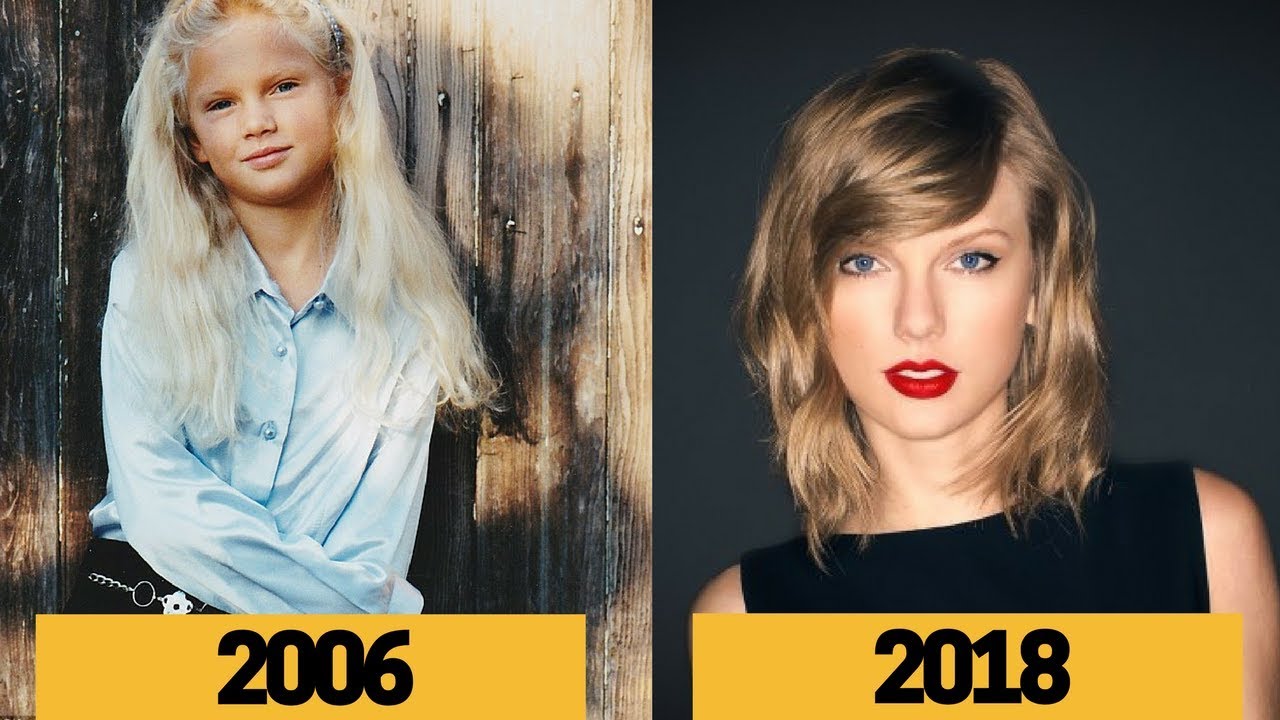
From a wide-eyed country sensation to a global pop phenomenon and now a revered cultural icon, Taylor Swift's journey has been nothing short of extraordinary. But beyond the chart-topping hits and record-breaking tours, there's a fascinating narrative woven into her chronology: how has her age shaped her artistry, public persona, and the very fabric of her music? This exploration delves into the milestones, the transformations, and the subtle shifts that have defined Taylor Swift through the lens of her evolving years.
Editor's Note: Published on November 27, 2023
The Evolution of an Artist
Taylor Swift's career began when she was remarkably young, signing her first record deal at just 14. Her self-titled debut album, released when she was 16, introduced a songwriter wise beyond her years, channeling adolescent experiences into universally relatable anthems. As she transitioned into her early twenties, albums like Speak Now and Red showcased a growing lyrical sophistication and a willingness to experiment with genres, reflecting the tumultuous yet exhilarating period of young adulthood. This era marked a significant shift from the innocence of her teenage years to a more assertive, emotionally complex artist, with age serving as a clear catalyst for her creative growth and thematic depth.
Navigating the Spotlight
The public eye has watched Taylor Swift mature from a promising newcomer to a seasoned veteran. Her mid-twenties, particularly around the release of 1989, saw her embrace full pop stardom, confronting intense media scrutiny and personal challenges head-on. This period often involved public narratives about her relationships and friendships, which she masterfully reclaimed in her songwriting. As she entered her late twenties and early thirties, with albums like Lover, Folklore, and Evermore, a profound shift in her public persona became evident. She seemed to shed the need for external validation, settling into a more authentic, introspective, and politically engaged self. This maturation, undoubtedly influenced by her age and accumulated life experiences, allowed her to explore themes of self-acceptance, vulnerability, and resilience with newfound depth and confidence.
- Teenage Years (14-19): Defined by country roots, raw storytelling, and the burgeoning dreams of a young artist.
- Early Twenties (20-24): Marked by genre transitions, heightened fame, and navigating intense public scrutiny.
- Mid-to-Late Twenties (25-29): A period of self-reclamation, pop domination, and confronting media narratives.
- Thirties and Beyond (30+): Characterized by introspection, lyrical mastery, and a comfortable embrace of her multifaceted identity.
SEO Information Table
| Aspect | Details |
|---|---|
| Keyword Focus | Taylor Swift's Age: What Changed? (Main point: Age - Noun) |
| Target Audience | Fans, music enthusiasts, those interested in artist development over time. |
| Key Themes | Artistic evolution, personal growth, public perception, career longevity. |
| Relevant Eras | Debut, Fearless, Speak Now, Red, 1989, Reputation, Lover, Folklore, Evermore, Midnights. |
| Associated Concepts | Maturation, songwriting depth, genre shifts, cultural impact. |
FAQ Section
How did Taylor Swift's age influence her early songwriting?
Her age allowed her to write from a genuine teenage perspective, capturing universal experiences of first loves, heartbreak, and aspirations, which resonated deeply with a young audience and established her as an authentic voice.
What significant changes occurred in Taylor Swift's music as she entered her late twenties?
As she entered her late twenties, her music became more introspective and experimental. Albums like Folklore and Evermore showcased a departure from autobiographical pop to character-driven narratives, reflecting a mature artist comfortable exploring diverse storytelling.
Has Taylor Swift's public image changed with age?
Absolutely. Her public image has evolved from America's sweetheart to a more complex, resilient, and politically aware individual. With age, she has grown more confident in speaking her mind and controlling her narrative, moving beyond past controversies with grace and wisdom.
Conclusion
Taylor Swift's age hasn't just been a number; it has been a dynamic force shaping her identity as an artist and a public figure. Each passing year has brought new experiences, new insights, and a deeper wellspring of creativity, allowing her to continually reinvent herself while staying true to her core as a storyteller. From the earnestness of youth to the profound wisdom of maturity, her journey illustrates how age, far from limiting an artist, can be the very crucible in which enduring artistry is forged, constantly changing and ever-evolving.